
Our Tree Products
Explore Our Diverse Tree Seedling Collection
Discover our extensive array of tree seedlings at Mountain View Growers Inc., featuring a diverse collection meticulously cultivated to thrive in various environmental settings, ready to nurture vibrant forests.
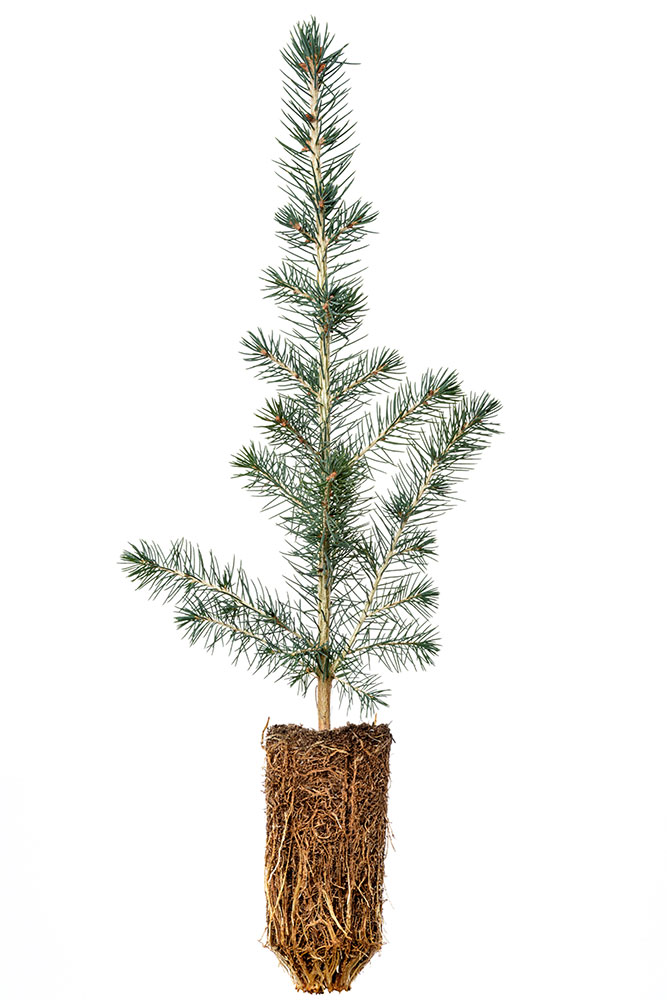
White/Engelmann Spruce Cross
(Picea glauca × Picea engelmannii)
White/Engelmann Spruce Cross
(Picea glauca × Picea engelmannii)
The White / Engelmann Spruce Cross—often referred to as interior or hybrid white spruce—is a naturally occurring hybrid between white spruce and Engelmann spruce. It combines the cold hardiness and adaptability of both parent species, making it well suited to a wide range of interior and transitional forest environments.
This hybrid is widely used in reforestation across British Columbia due to its strong growth performance, excellent winter hardiness, and adaptability to varying elevations, moisture regimes, and climatic conditions. It performs particularly well in mid‑elevation sites where the natural ranges of its parent species overlap.
White/Engelmann Spruce Cross is valued for its straight form, good survival rates, and versatility, making it a reliable choice for long‑term forest productivity in interior and sub‑boreal regions.
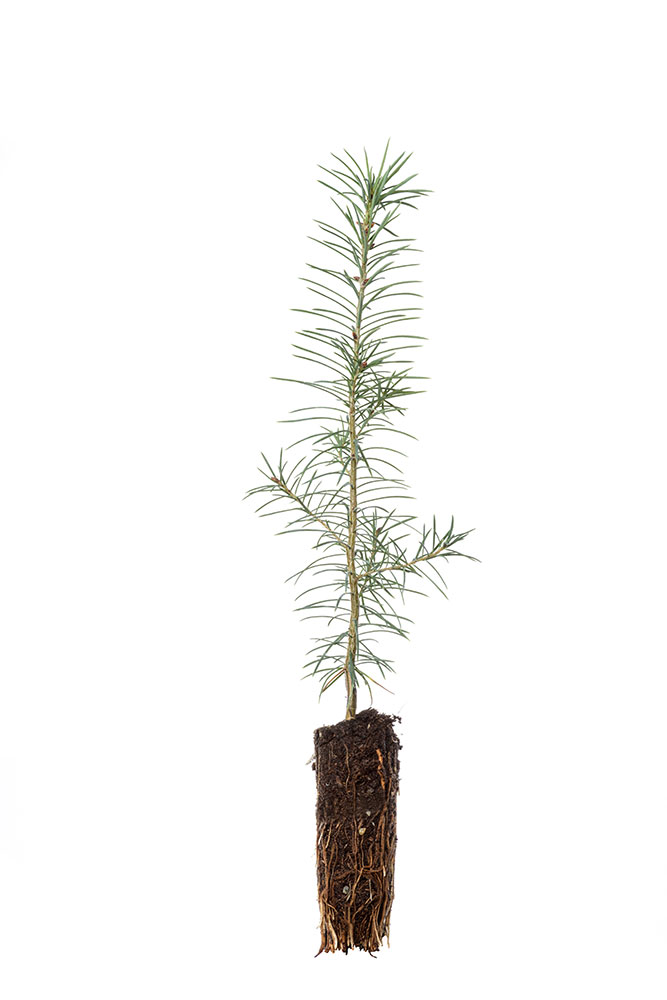
White Spruce
(Picea glauca)
White Spruce
White Spruce is a widely distributed and highly adaptable conifer native to the boreal and interior forests of Canada and the northern United States. It is well known for its excellent cold hardiness, broad site tolerance, and reliable performance across a range of interior forest ecosystems.
This species is commonly used in reforestation throughout British Columbia, particularly in interior and northern regions, where it performs well on fresh to moist sites and across a range of elevations. White Spruce is valued for its straight stem form, good survival, and long‑term productivity, making it an important component of mixed and pure conifer stands.
Due to its adaptability and resilience, White Spruce remains a dependable choice for reforestation projects requiring proven performance under cold climates and variable growing conditions.
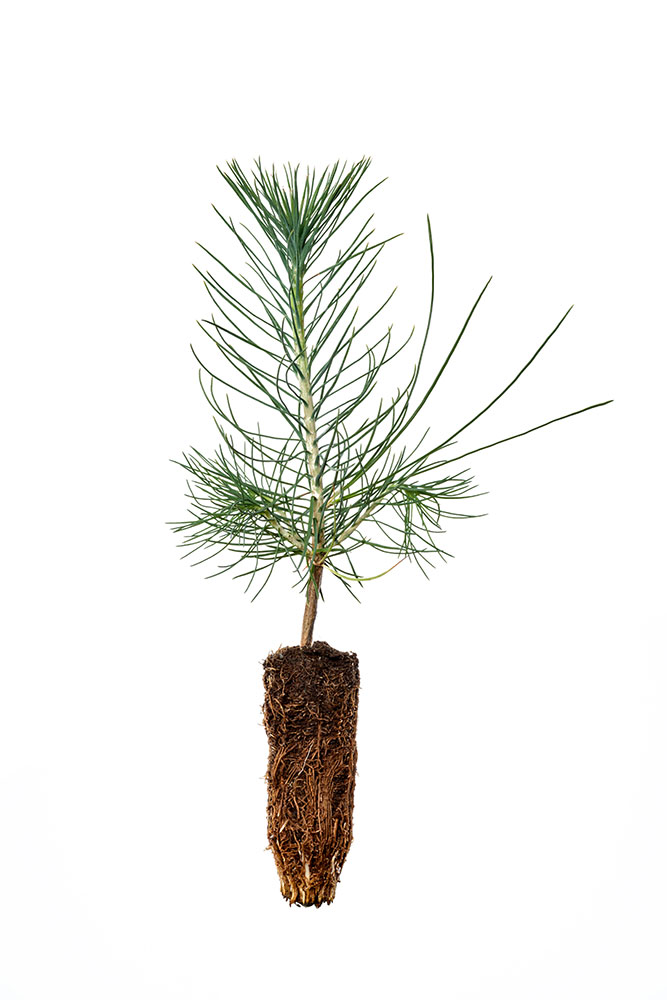
White Pine (Western White Pine)
(Pinus monticola)
White Pine (Western White Pine)
(Pinus monticola)
Western White Pine is a native conifer of British Columbia’s interior and coastal mountain regions and is valued for its fast growth, straight form, and high‑quality wood. It is a five‑needle “soft pine” that performs best on moist, well‑drained sites in cool temperate to montane climates.
This species is commonly used in reforestation and ecosystem restoration projects, particularly in the Interior Cedar–Hemlock (ICH) and wetter Interior Douglas‑fir (IDF) zones. Western White Pine contributes to species diversity in mixed stands and is well suited to sites with good soil fertility and adequate moisture.
Western White Pine is recognized for its long‑term productivity and ecological value and remains an important component of diversified forest management strategies in British Columbia.
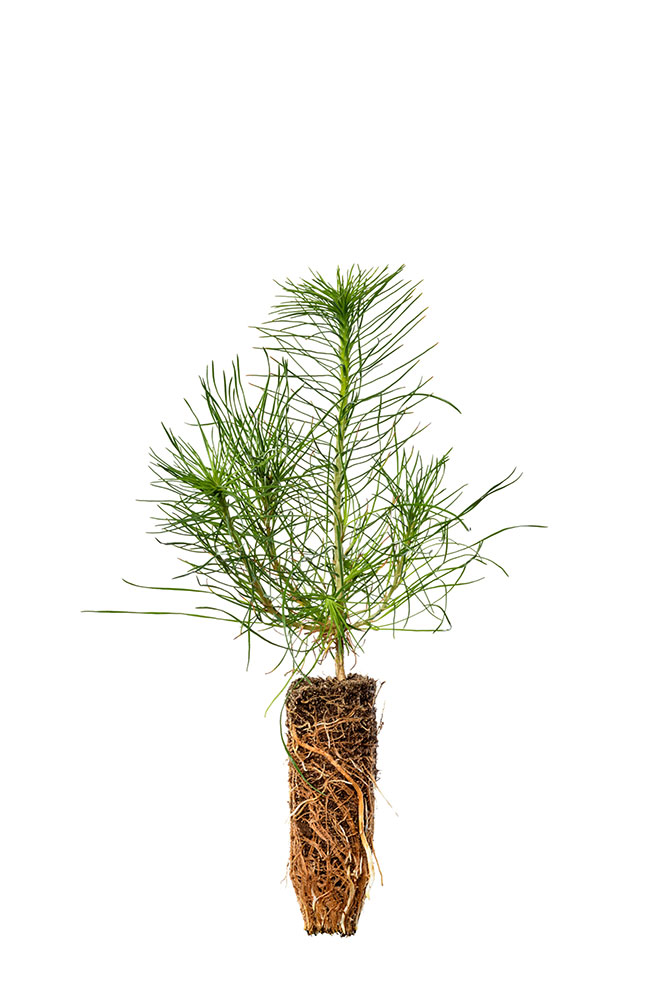
Ponderosa Pine
(Pinus ponderosa)
Ponderosa Pine
(Pinus ponderosa)
Ponderosa Pine is a native conifer of British Columbia’s southern interior and one of the most widely distributed pine species in western North America. It is well adapted to dry, warm sites and is characteristic of open forest ecosystems in the Ponderosa Pine (PP) and drier Interior Douglas fir (IDF) zones of the province.
This species is valued for its drought tolerance, deep rooting habit, and ability to thrive on coarse textured soils where moisture availability is limited. Ponderosa Pine is commonly used in reforestation and restoration projects on dry, low elevation sites and contributes to resilient, fire adapted forest landscapes.
Ponderosa Pine provides important ecological benefits, including wildlife habitat and watershed protection, and remains a key species for diversified forest management in British Columbia’s interior dry forests.
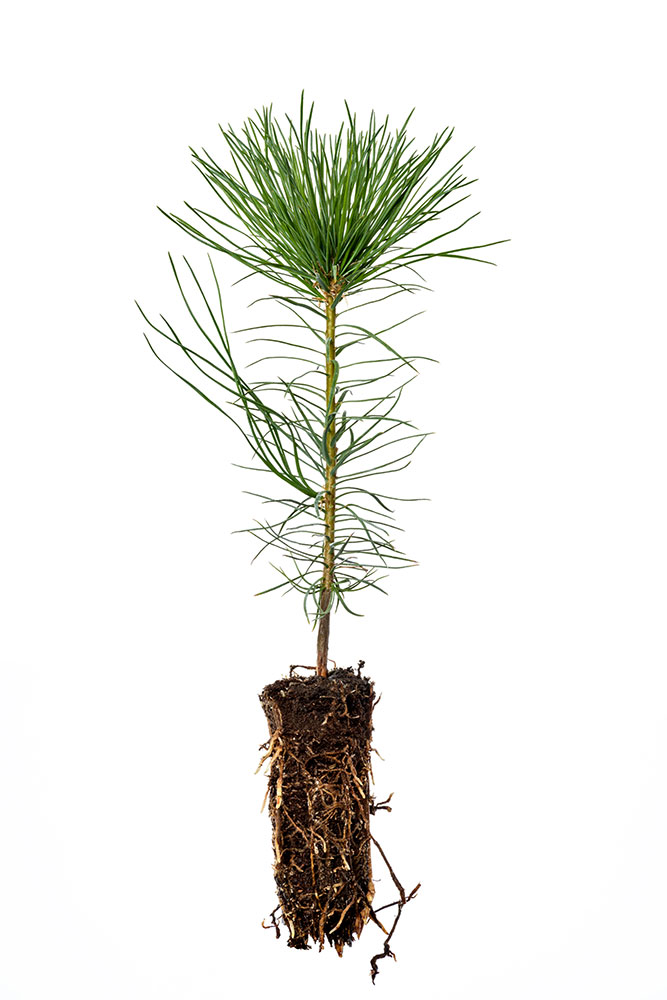
Lodgepole Pine
(Pinus contorta)
Lodgepole Pine
(Pinus contorta)
Lodgepole Pine is one of the most widely distributed and adaptable conifer species in British Columbia and a foundational species in many interior forest ecosystems. It occurs across a broad range of elevations and site conditions and is common in the Sub‑Boreal Spruce (SBS), Boreal White and Black Spruce (BWBS), Montane Spruce (MS), Interior Douglas‑fir (IDF), and Interior Cedar–Hemlock (ICH) zones.
This species is well known for its rapid early growth, tolerance of poor or dry soils, and strong ability to regenerate following disturbance. Lodgepole Pine is frequently used in reforestation projects and is especially important in post‑fire landscapes, where its fire‑adapted regeneration strategy supports rapid forest recovery.
Lodgepole Pine remains a key species for reforestation and forest management in British Columbia due to its versatility, resilience, and long history of successful establishment across a wide range of site conditions.
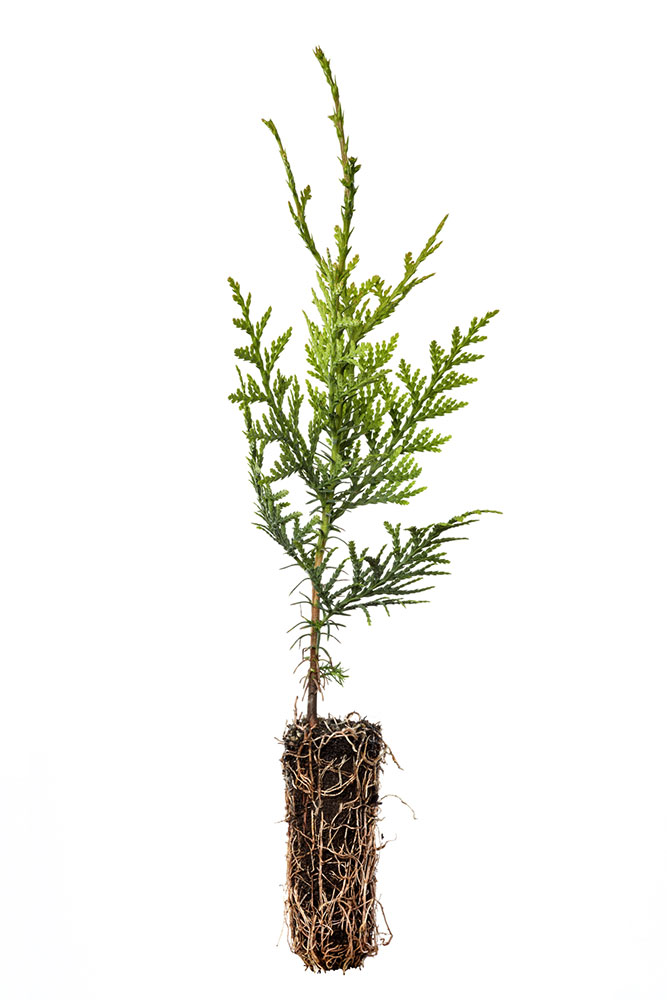
Western Red Cedar
(Thuja plicata)
Western Red Cedar
(Thuja plicata)
Western Red Cedar is a highly valued native conifer of British Columbia’s coastal and interior forests and is one of the province’s most iconic tree species. It occurs naturally across a wide range of site conditions and is commonly found in the Coastal Western Hemlock (CWH), Interior Cedar–Hemlock (ICH), Interior Douglas fir (IDF), and other moist forest zones.
This species is well adapted to moist to wet sites and is noted for its shade tolerance, long lifespan, and ability to establish and persist under forest canopies. Western Red Cedar is frequently used in reforestation and restoration projects where site moisture and nutrient availability support its growth, and it contributes to long term stand diversity and structural complexity.
Western Red Cedar is prized for its durable, decay resistant wood and holds significant ecological and cultural importance in British Columbia, making it a key species for sustainable forest management across suitable sites.
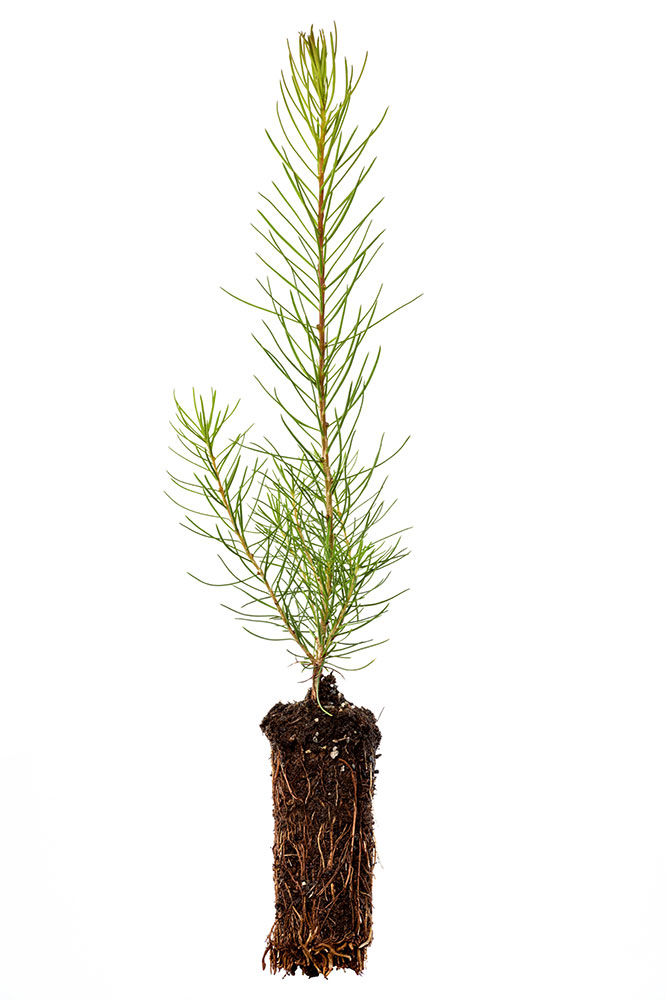
Western Larch
(Larix occidentalis)
Western Larch
(Larix occidentalis)
Western Larch is a native deciduous conifer of British Columbia’s southern interior and one of the most productive timber species in the region. Unlike most conifers, it sheds its needles in winter, a trait that contributes to its high growth rates and strong tolerance of cold interior climates. It is most commonly found in the southern Interior Douglas fir (IDF), Montane Spruce (MS), Ponderosa Pine (PP), and drier Interior Cedar–Hemlock (ICH) zones.
This species is well suited to dry to fresh, well drained sites and is valued for its rapid early growth, deep rooting habit, and strong resistance to damage from snow and fire. Western Larch is frequently used in reforestation and stand diversification efforts, particularly where increased resilience, productivity, and long term timber value are desired.
Western Larch contributes to structurally diverse, fire adapted forest ecosystems and remains an important species for sustainable forest management in British Columbia’s interior landscapes.
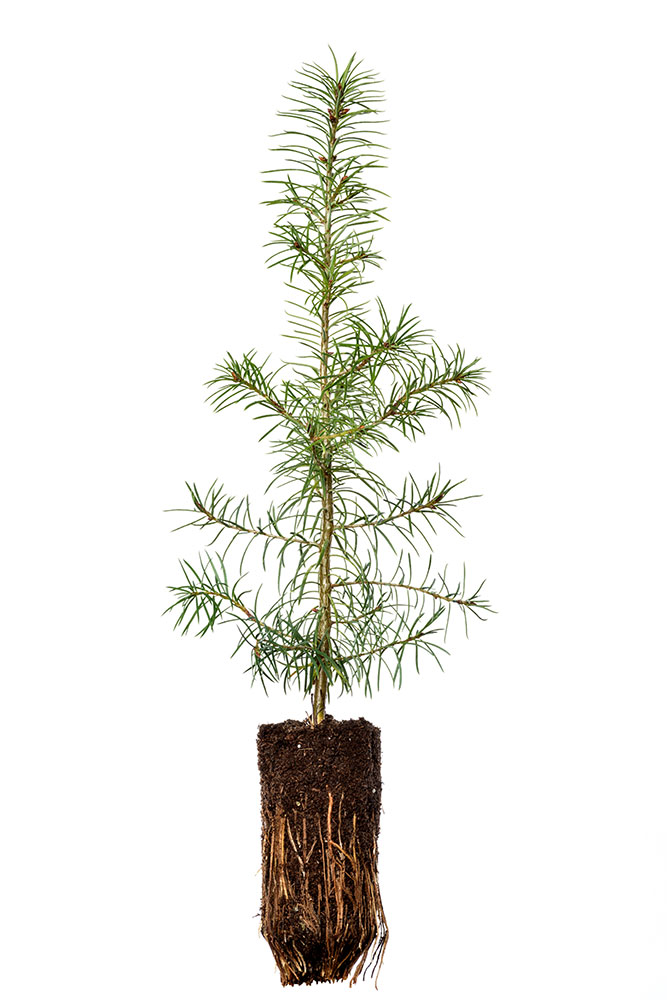
Interior Douglas Fir
(Pseudotsuga menziesii var. glauca)
Interior Douglas Fir
(Pseudotsuga menziesii var. glauca)
Interior Douglas fir is a dominant native conifer of British Columbia’s southern and central interior and a cornerstone species of the Interior Douglas fir (IDF) zone. It is well adapted to warm, dry summers and cool winters and commonly occurs on low to mid elevation sites across the interior plateau and adjacent mountain regions.
This species is valued for its adaptability, longevity, and strong performance across a wide range of site conditions, from dry forested slopes to more mesic sites. Interior Douglas fir is frequently used in reforestation and stand management due to its reliable survival, structural stability, and ability to coexist in mixed stands with species such as lodgepole pine, ponderosa pine, and western larch.
Interior Douglas fir plays a critical ecological role in interior forest ecosystems and remains one of the most important species for sustainable forest management and long term productivity in British Columbia’s interior forests.
Need Trees?
How To Order
Organizations can easily order trees from Mountain View Growers by reaching out directly to our dedicated sales team. Simply contact us through our website or get in touch via phone or email to discuss your specific tree requirements, planting schedules, and any other details necessary for a tailored order. We’ll work closely with you to ensure a smooth and efficient ordering process for the ideal tree seedlings for your projects.
 English
  Spanish